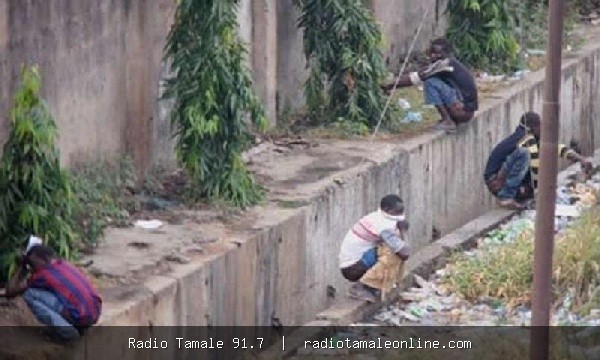
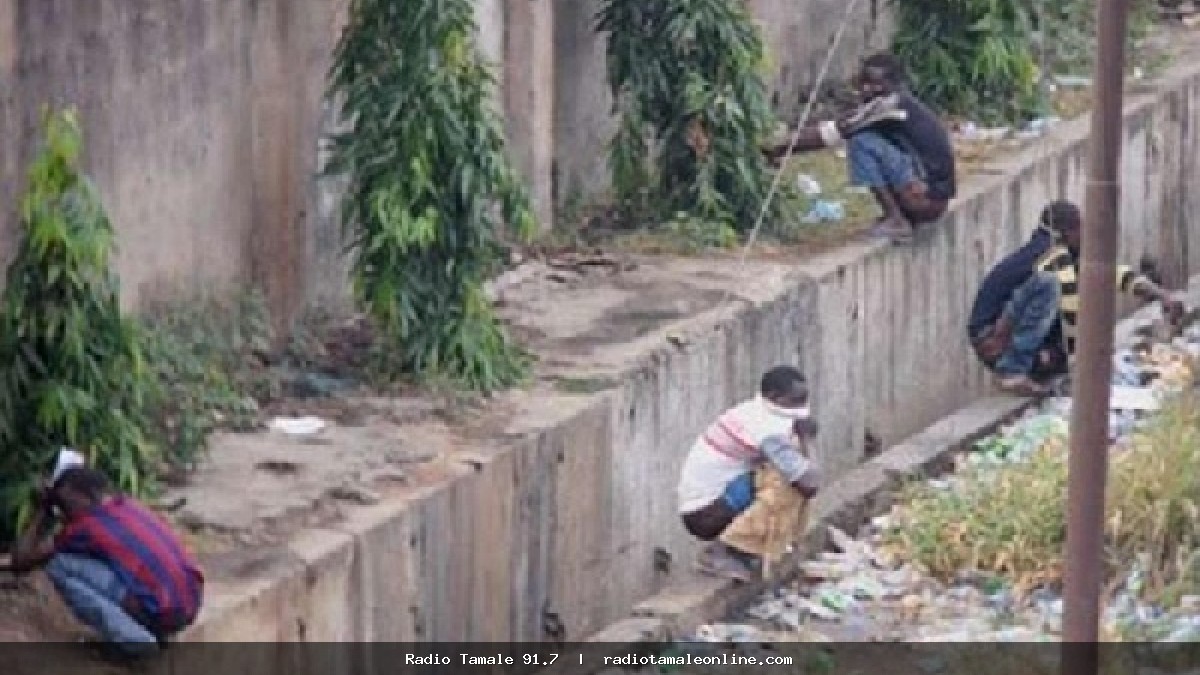
An estimated 5.4 million Ghanaians still practise open defecation, while the country spends approximately $290 million annually to address poor sanitation, the Ministry of Local Government, Chieftaincy and Religious Affairs has disclosed.
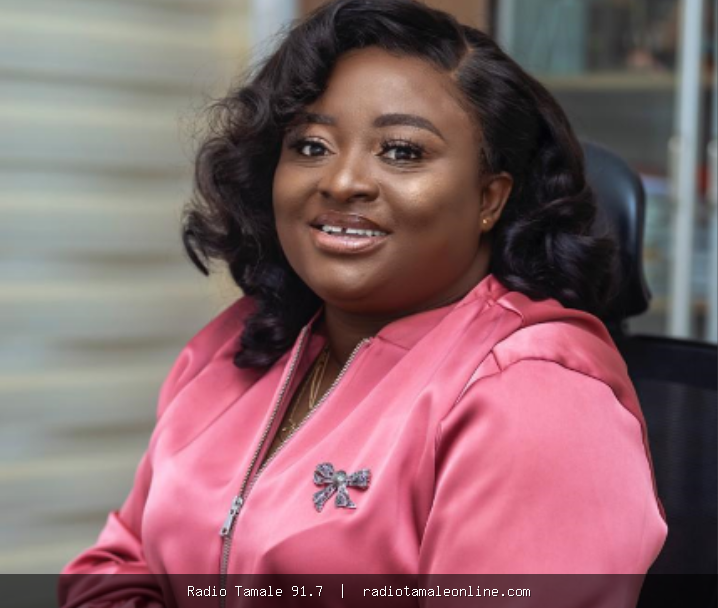
The Deputy Minister of Local Government, Chieftaincy and Religious Affairs, Rita Naa Odoley Sowah, who made this known at the 2026 National Commemoration of World Toilet Day in Bongo in the Upper East Region on November 19, 2026, described the situation as a national emergency requiring urgent and collective action.
“Nationally, 5.4 million Ghanaians still practise open defecation, inasmuch as we can see that it has drastically reduced,” she said.
The commemoration, held in partnership with WaterAid Ghana on the theme: “From Open Defecation to Open Opportunity through the Gender Lens”, brought together traditional authorities, government officials and development partners to renew commitments towards improving sanitation.
The deputy minister said the estimated $290 million spent annually on poor sanitation could otherwise be invested in critical infrastructure such as schools, health facilities and roads.
“That is money that could build classrooms, clinics and roads. So let me say plainly, this is not a small problem. It is a national emergency, and it has a woman's face,” she stressed.
She said the consequences of open defecation went beyond public health concerns, particularly affecting the safety, dignity and educational opportunities of women and girls.
“Before sunrise, a girl wakes up in her home without a toilet. She must wait for darkness or walk into the bush, afraid of snakes, strangers and being seen,” she said.
She explained that such experiences exposed girls to danger and sometimes prevented them from attending school, stressing that access to safe sanitation was essential to gender equality and human dignity.
Bongo's sanitation challenge
The deputy minister commended the Bongo Traditional Council and the District Assembly for taking steps to address the sanitation situation through the signing of a District Water, Sanitation and Hygiene (WASH) Compact and the development of a 10-year WASH Master Plan.
She said the government was committed to supporting sanitation interventions through the allocation of resources to Metropolitan, Municipal and District Assemblies (MMDAs), with a proportion earmarked for sanitation.
“Bongo has chosen to act. Bongo signed a district WASH Compact. The Assembly produced a 10-year comprehensive WASH Master Plan,” she said.
The Paramount Chief of the Bongo Traditional Area, Naba Baba Salifu Atamale Lemyaarum, said about 80 per cent of the district's population practised open defecation, according to the 2021 Population and Housing Census.
He said the situation was corroborated by the 2024 World Service Level Assessment conducted by WaterAid Ghana, which indicated that the district's open defecation rate was more than four times the national average of approximately 18 per cent.Ghana news updates
“The irony, therefore, is that while the country is making progress in the fight against open defecation, Bongo appears to be moving in the opposite direction. This is a situation that my people and I cannot afford to take lightly,” he said.
Naba Lemyaarum said the traditional council had responded to the challenge by introducing the Bongo Sanitation Challenge following the signing of the district's WASH Compact in September 2025.
Under the initiative, he said, 690 household toilets had been constructed, representing an estimated investment of GH¢2 million and providing sanitation access to approximately 3,700 people.
“These figures represent much more than toilets constructed or money invested. They represent an investment in the local economy of Bongo, job creation for local artisans and expanded market opportunities for suppliers of building materials,” he stated.
He further disclosed that the traditional council had established a WASH Fund to support poor and vulnerable households in constructing household toilets and improving sanitation facilities in public places.
Naba Atamale said the traditional area, which had 42 communities under his supervision, was targeting the elimination of open defecation by 2030.
Equality and dignity
The WaterAid Ghana Country Director, Ewurabena Yany-Akufur, said sanitation was not merely an infrastructure issue but also a question of public health, equality and human dignity.
She said the absence of safe toilets disproportionately affected girls, pregnant women, older persons and persons with disabilities, adding that sanitation facilities must be safe, accessible, functional and properly maintained.
“A toilet is not a privilege. It is an essential service that everyone deserves,” she said.
She called for stronger local government delivery systems, effective regulation and sustained behavioural change to complement investments in sanitation infrastructure.
Call for collective action
The Upper East Regional Minister, Donatus Akamugri Atanga, called on all 15 municipal and district assemblies to prioritise sanitation, improve access to toilet facilities and intensify public education to promote healthy sanitation practices.
He said sustainable sanitation required collective commitment, behavioural change and local ownership, describing the inauguration of the Bongo WASH Fund Committee as a significant step towards mobilising resources for sanitation interventions.
Source: Graphiconline





0 Comments