Tamale, Nov. 27, – Basic schools in six districts in northern Ghana have no Information and Communication Technology (ICT) laboratories, according to Youth Activist, Ombosyin Richard Yinegura.
The districts are Nanumba North, East Mamprusi, Tatale-Sanguli, North East Gonja, Wa West and Talensi.
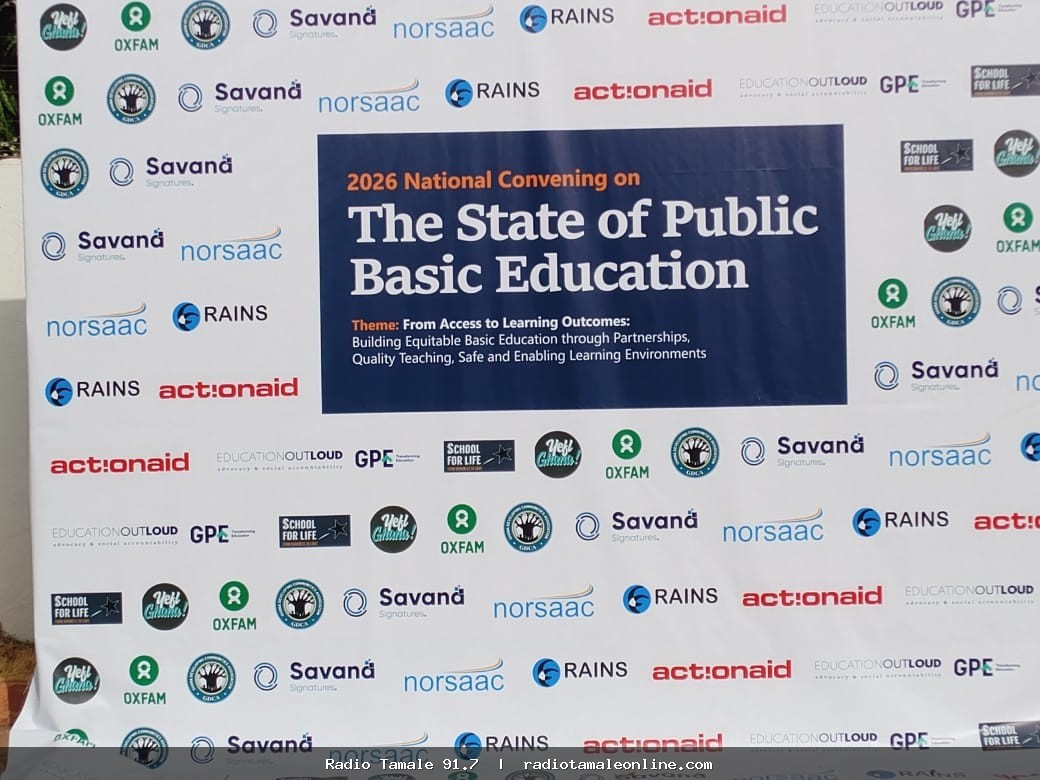
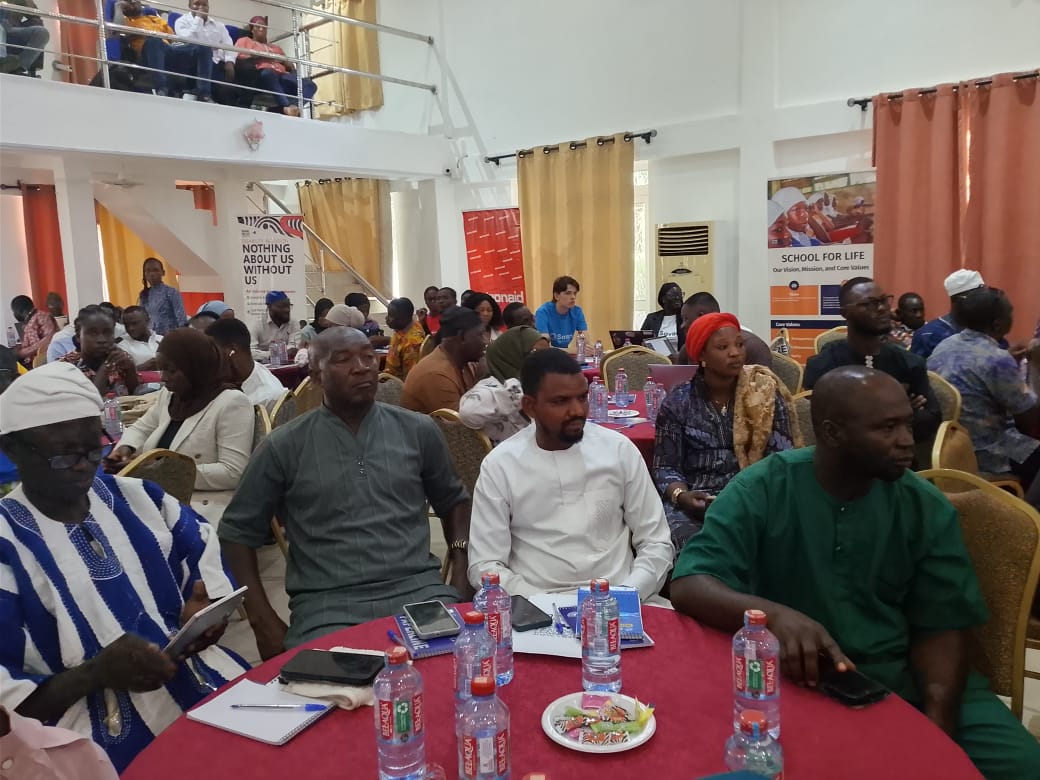
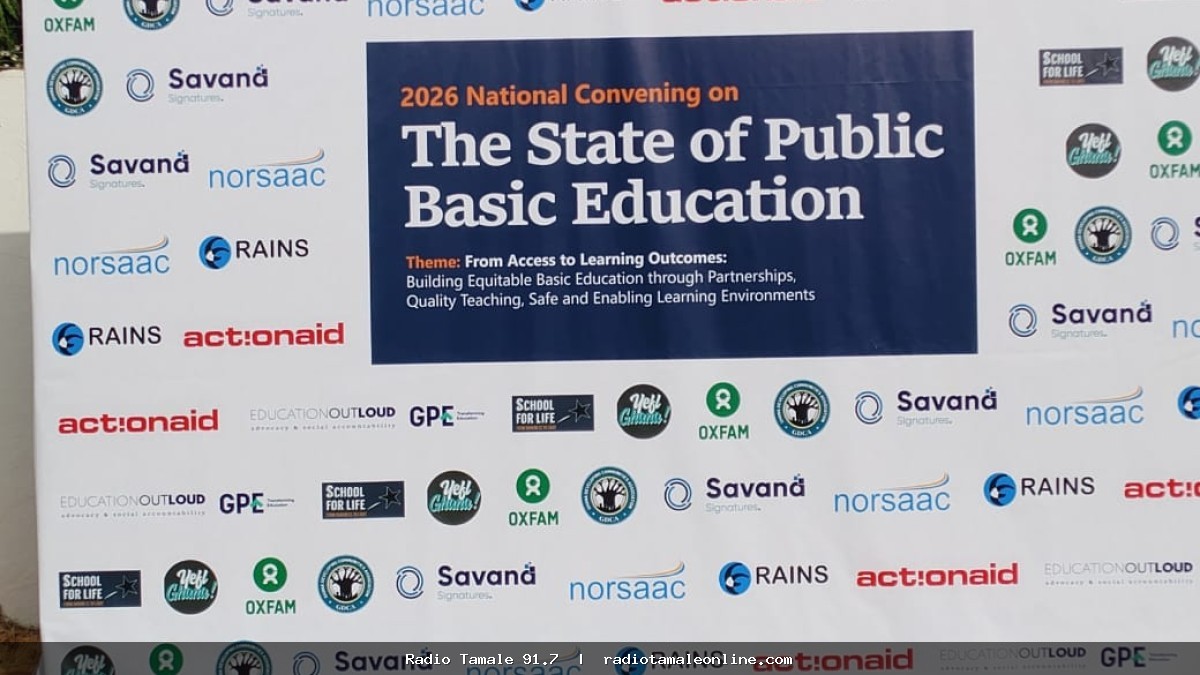
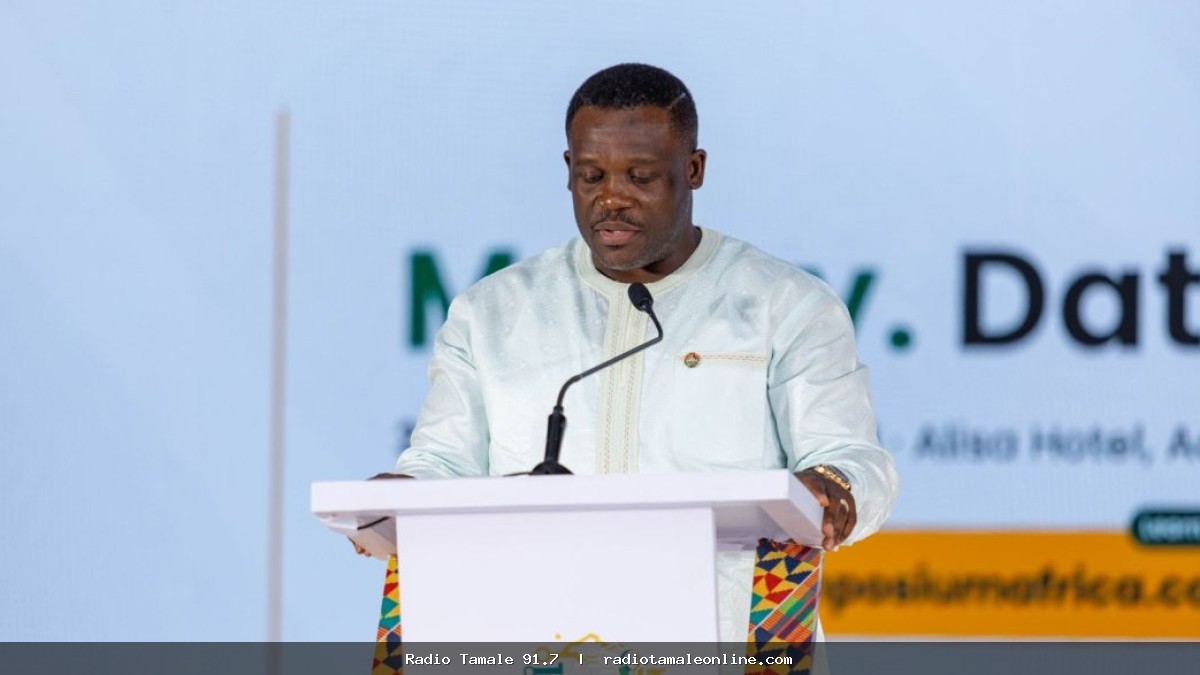
Mr. Yinegura said this at the 2026 National Convening on the State of Public Basic Education in Tamale on Thursday, November 26, 2026, organised by School for Life and its partners.
He told participants during a presentation on education gaps in northern Ghana that the situation was a major concern as technology becomes more important in education.
"If you look at these six districts, there is no single ICT laboratory," he said.
Teacher shortages
The presentation also highlighted teacher shortages. The six districts have a deficit of 2,089 teachers, or 30 per cent of the total requirement. Currently these districts have 4,876 teachers.
In Tatale-Sanguli District, 286 teachers are serving 22,329 basic school pupils. The district has a teacher deficit of 316, even though government plans to recruit 7,000 teachers nationwide for the 2025/2026 academic year.
Furniture and school feeding
On furniture, 75,566 of the 157,778 basic school learners in the six districts lack furniture to sit and learn. In Nanumba North, 25,723 of 42,624 learners, about 60 per cent are without furniture.
The school feeding programme also faces challenges. These include water shortages, inconsistent cooking, inadequate food quantity and poor food quality.
Nanumba North recorded a 94 per cent cooking consistency rate under the programme in the 2025/2026 academic year. North East Gonja recorded 45 per cent. The presentation noted that school attendance was expected to be higher where school feeding delivery was consistent.
"Adequate funding" needed
The Director of School for Life and host of the convening, Hajia Wedad Sayibu, said basic education had been underfunded for far too long. She said the findings reflected this.
She said institutions must join hands to address the challenges. The problem, she said, required funding, "and not just funding, but adequate funding".
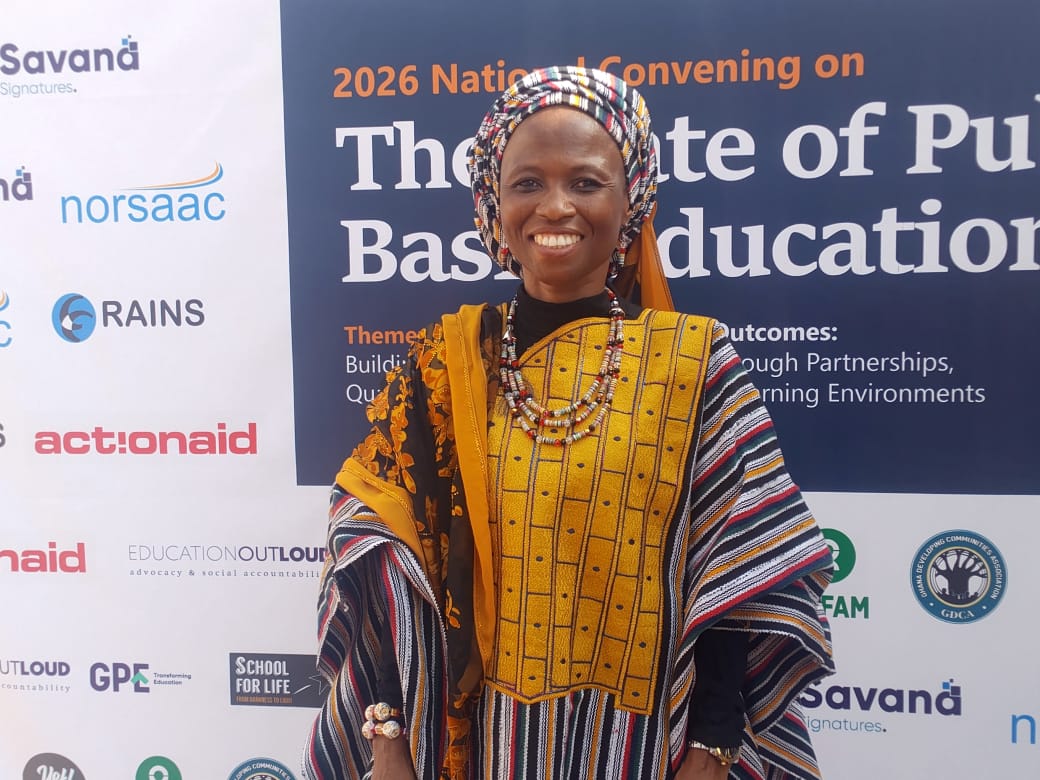
Hajia Sayibu said the findings were not an exaggeration. She said some schools were doing well while others were not performing as expected, which she described as worrying.
She said some communities lacked enough teachers.
"In some communities and districts, there are some schools that only have one teacher," she said.
She also described the conditions under which some pupils are forced to learn as worrying. She said the convening brought stakeholders and institutions together to discuss the challenges and work towards addressing them.
The theme for the convening was "From Access to Learning Outcomes: Building Equitable Basic Education through Partnerships, Quality Teaching, Safe and Enabling Learning Environments."
School for Life organised the event with civil society organisations including RAINS, Oxfam, ActionAid, Savana Signatures and NORSAAC.
By Fuseini Issah Katali





0 Comments