Why the debate over who qualifies to lead Ghana’s education sector must move beyond professional titles to leadership, institutional competence, policy delivery and measurable results.
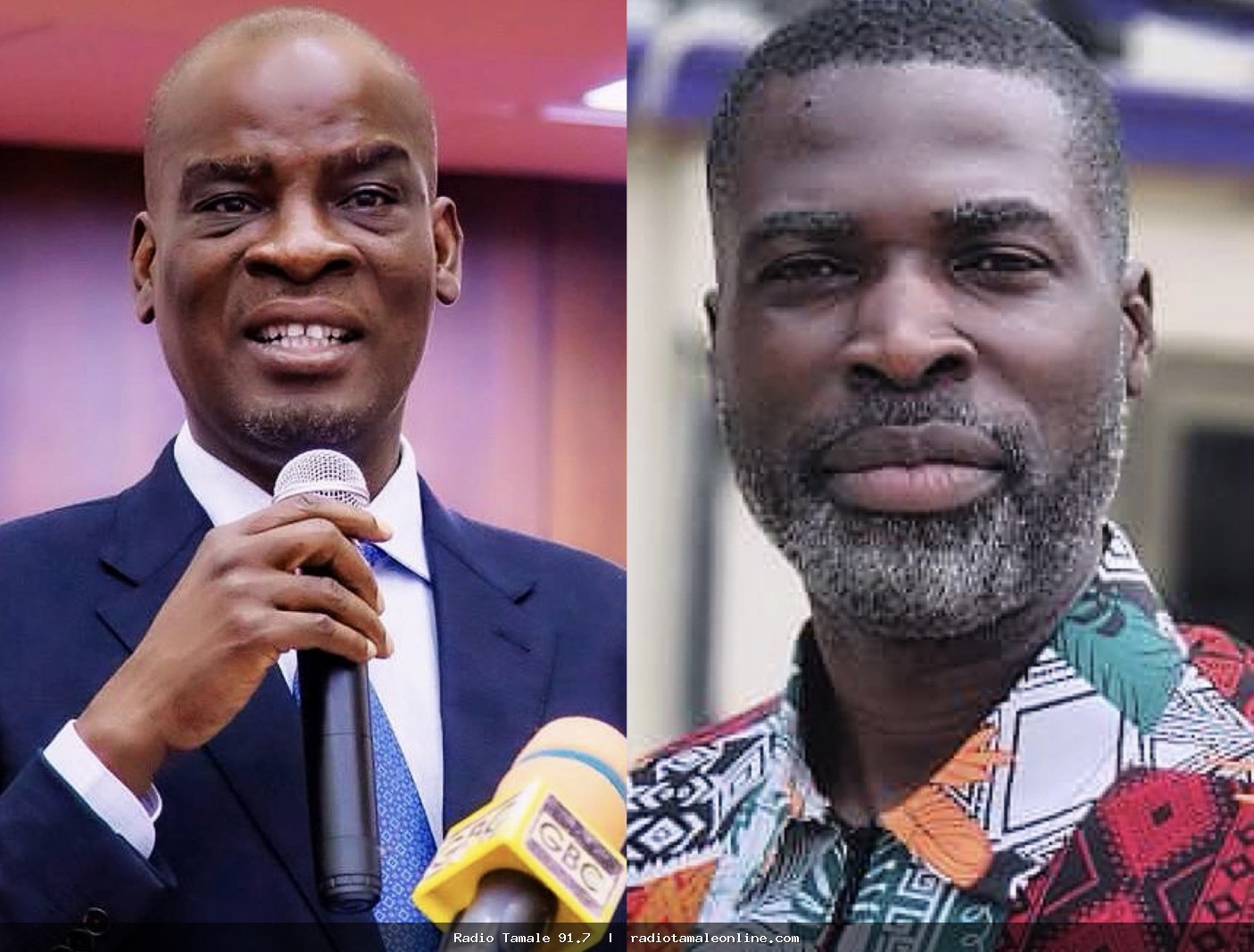
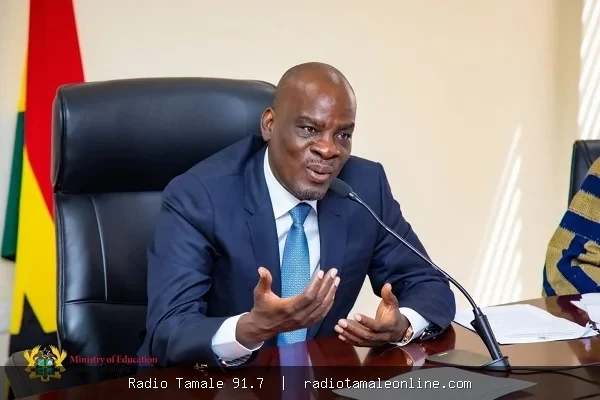
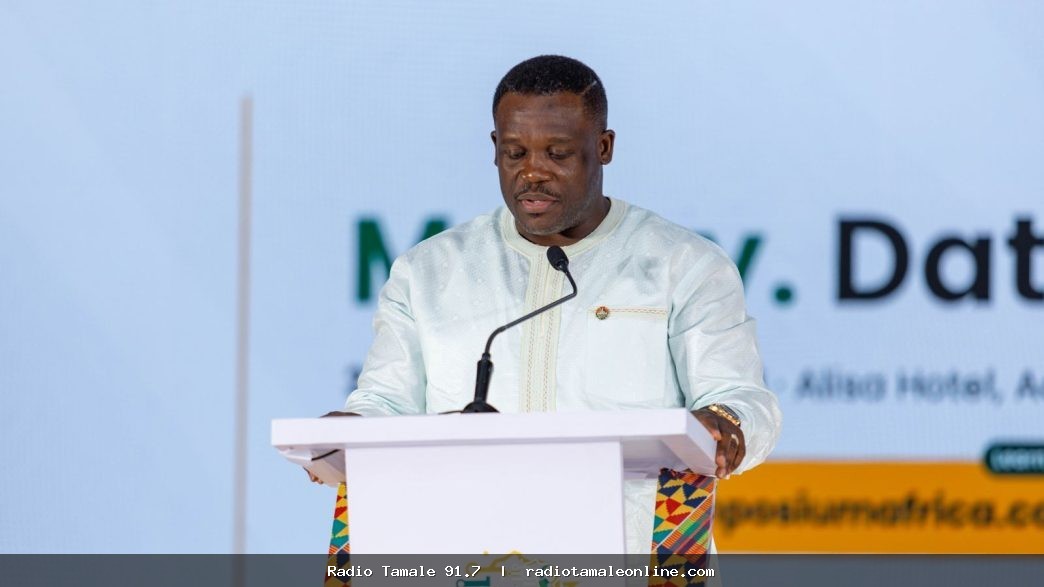
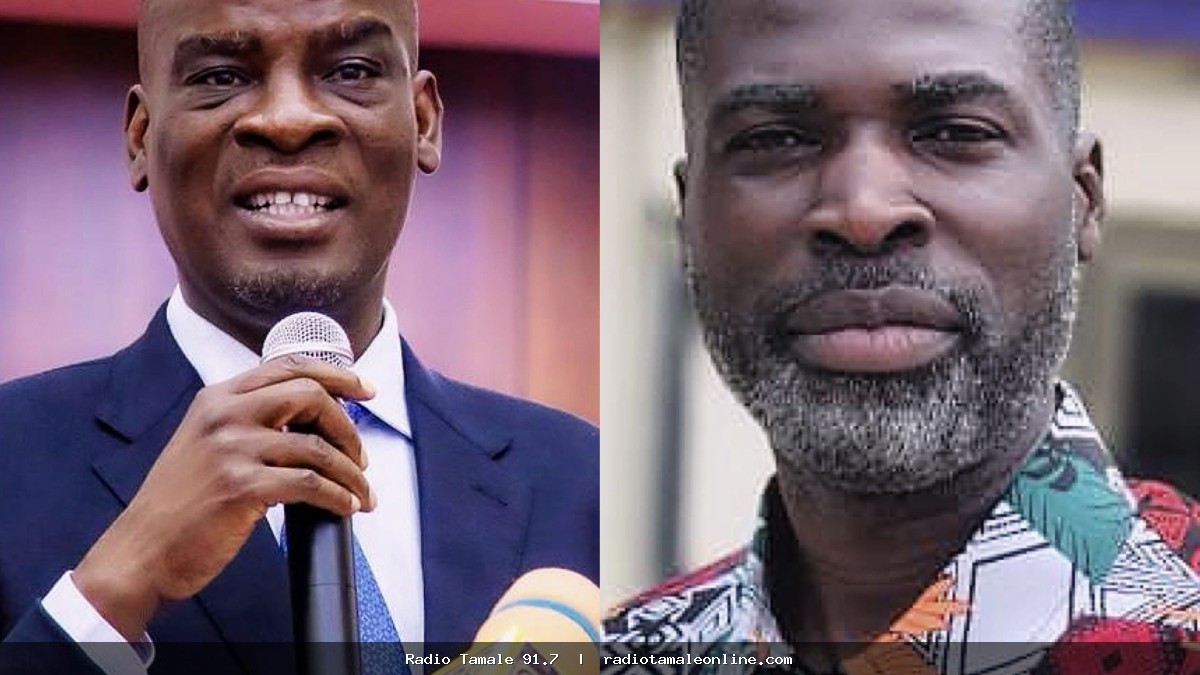
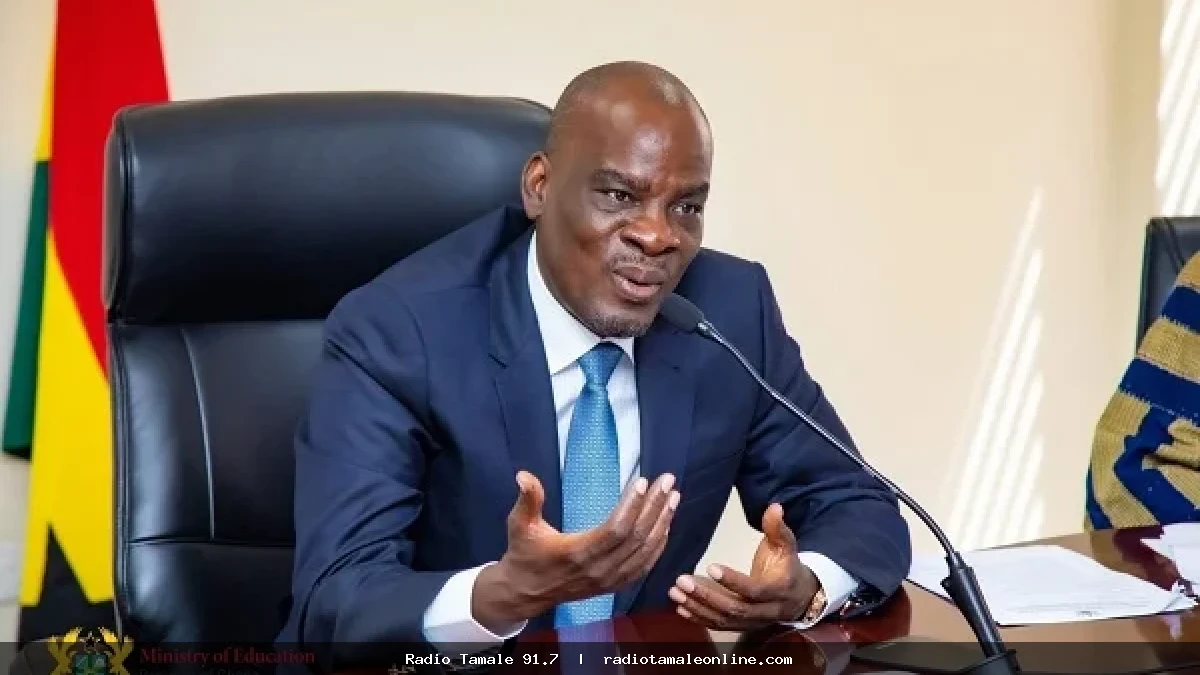
The recent remarks by media personality Mr Nana Jantua questioning the moral suitability of the Minister of Education, Haruna Iddrisu, have reignited an important national conversation about the qualifications, integrity and leadership expectations of individuals appointed to manage Ghana's education sector.
At the centre of Mr Jantua's criticism is the controversy surrounding the reported revocation of Mr Iddrisu's Master of Philosophy degree by the University of Ghana in 2006 over alleged plagiarism. He argues that the controversy raises questions about the Minister's moral authority to supervise a sector whose foundation rests on academic integrity.
It is an issue that deserves serious consideration. Academic integrity is fundamental to education, and public officials entrusted with safeguarding educational standards must be open to legitimate scrutiny.
However, there is an equally important question that should not be overlooked: Should professional training in education be an absolute prerequisite for appointment as Minister of Education, or should the assessment also consider leadership experience, administrative competence, policy understanding and the ability to mobilise institutions to deliver results?
These are not necessarily competing considerations. A credible assessment of a minister must consider both personal integrity and performance in public office.
The argument that only professional educationists can effectively lead Ghana's Education Ministry is not fully supported by the country's own political and administrative history.
Ghana's Ministry of Education has, over the years, been managed by individuals with diverse professional and academic backgrounds. The appointment of a minister has traditionally been a political and executive responsibility, rather than an exclusive professional appointment reserved for trained teachers or educationists.
One notable example is Mrs Betty Mould-Iddrisu, who served as Minister of Education in 2011. She is a lawyer with extensive experience in international law, public administration and legal practice, rather than a professionally trained educationist. Her career demonstrates that expertise in governance, law and public administration can also be relevant to managing a major government institution.
Another example is Yaw Osafo-Maafo, who served as Minister of Education between 2005 and 2006. His professional background was in engineering and finance, not professional teaching.
Similarly, Ghana has had ministers whose backgrounds were in law, business, politics and other disciplines. These appointments reflect the reality that education administration requires a combination of policy direction, financial management, stakeholder engagement, institutional coordination and political leadership.
Indeed, Dr Yaw Osei Adutwum, who immediately preceded Haruna Iddrisu, represented a different professional profile. He had a doctorate in Educational Policy, Planning and Administration, a master's degree in Education Management and experience in teaching and school administration in the United States.
This comparison establishes an important distinction: professional education qualifications are valuable, but they do not automatically guarantee successful ministerial administration. Equally, the absence of a professional teaching background does not automatically disqualify someone from providing effective political and administrative leadership.
The more meaningful test is what a minister does with the authority and resources entrusted to the office.
What has happened under two years?
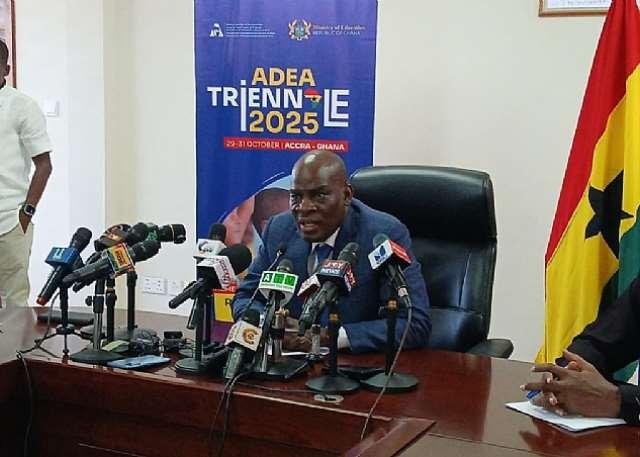
Although the full impact of his administration requires time and independent evaluation, several identifiable policy and administrative interventions deserve recognition.
1. Restoration of Parent-Teacher Associations
One of the notable early decisions under his administration was the restoration of Parent-Teacher Associations (PTAs) in pre-tertiary institutions.
The Ghana Education Service had suspended PTA activities in 2019, following concerns about the misuse of PTA levies and related practices.
In February 2025, Haruna announced the reintroduction of PTAs as part of efforts to strengthen parental participation and community involvement in school management.
President John Mahama publicly acknowledged the initiative at the National Education Consultative Forum in Ho, emphasising the importance of allowing parents to engage school authorities in the management of their children's education.
The policy is significant because education cannot be the exclusive responsibility of government, teachers and school administrators. Parents and communities must also have a meaningful role in ensuring discipline, accountability and improved learning environments.
2. The Ghana Secondary Learning Improvement Programme
Perhaps one of the most consequential policy interventions announced under the current administration is the Ghana Secondary Learning Improvement Programme (GSLIP).
The programme, scheduled for 2026–2027, is designed to address infrastructure constraints and eliminate the double-track system in senior high schools.
The 2026 Budget provides for a two-year intervention involving infrastructure expansion, upgrading selected Category B schools to Category A status, improving Category C schools and completing 30 Community Day Senior High Schools.
The programme is supported by a proposed allocation of GH¢1.1 billion for infrastructure expansion and quality improvement in 2026, while the wider programme has been described as a US$180 million World Bank-supported initiative.
This is an important policy response to one of the most persistent consequences of the expansion of secondary education: enrolment has grown considerably, but infrastructure has not always kept pace.
It would, however, be premature to describe the double-track system as eliminated. The real measure of success will be whether the programme delivers completed facilities, additional classroom capacity and a sustainable return to full-time schooling.
3. Teacher recruitment and professional development
Teacher availability remains a major challenge, particularly in deprived and underserved communities.
In April 2026, the Education Ministry announced that it had secured financial clearance to recruit 7,000 teachers. The Minister also disclosed that approval had been granted for the recruitment of approximately 1,200 lecturers in public tertiary institutions.
The recruitment initiative was intended to address staffing gaps, with priority consideration for applicants willing to serve in underserved communities.
The Ministry's 2026 budget performance documentation also recorded that, by September 2025, the National Teaching Council had licensed 16,468 newly recruited teachers, inducted 19,852 newly qualified teachers and renewed 137,695 in-service teacher licences.
These figures provide evidence of activity in teacher professional development and regulation, although they should not be confused with the number of teachers newly recruited into classrooms.
4. Increased attention to educational infrastructure and access
The Ministry has also reported significant infrastructure-related activity through GETFund.
In August 2026, the Minister disclosed that GETFund had awarded 2,038 contracts covering basic, secondary and tertiary institutions nationwide.
He also discussed plans to expand tertiary education through the establishment of between two and four additional public universities, including progress on the proposed University of Science and Technology in Damango.
These interventions are relevant because educational inequality is not simply about whether children can enrol in school. It is also about whether they have access to functioning classrooms, qualified teachers, laboratories, libraries and institutions capable of preparing them for the world of work.
The important next step is to establish how many of these projects are completed, operational and delivering measurable improvements.
5. Parliamentary and institutional engagement
Another feature of the current administration has been engagement with parliamentary oversight structures.
The Minister has participated in mid-year reviews with the Parliamentary Select Committee on Education, involving agencies responsible for kindergarten, basic, secondary and tertiary education.
Such engagements are important because the Education Ministry does not operate in isolation. Its effectiveness depends on the performance of several agencies, institutions and regulatory bodies.
The ministerial responsibility is therefore not merely to announce policies but also to coordinate their implementation and account for the results.
Taken together, these interventions suggest that the current administration has pursued identifiable policy and institutional changes. They do not establish that all the sector's problems have been resolved, but they provide a concrete basis for assessing its performance beyond arguments about professional titles.
What's The legacy Of Dr Adutwum: Qualifications vrs Delivery
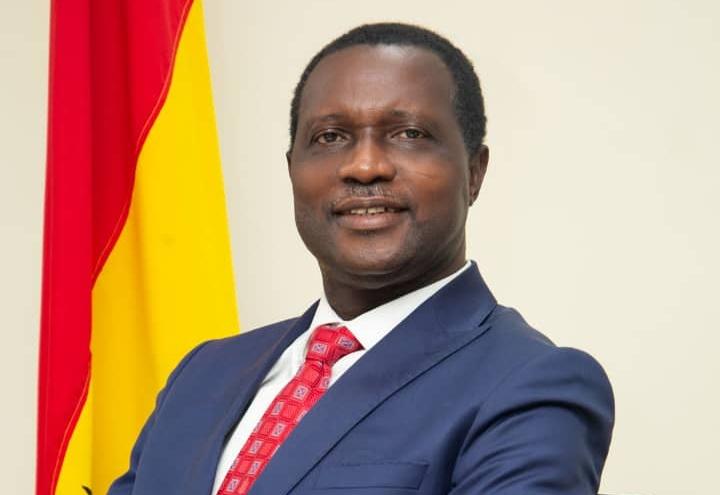
A discussion about Haruna Iddrisu's suitability cannot reasonably ignore the record of his predecessor, Dr Yaw Osei Adutwum.
Dr Adutwum had impressive academic and professional credentials in education. His experience as a mathematics teacher, school founder and education policy specialist in the United States gave him a professional profile that naturally attracted expectations of significant transformation.
However, his tenure between 2021 and 2025 also presents important questions about the relationship between academic qualifications and actual policy delivery.
There are at least three areas that deserve critical examination.
First, the textbook distribution challenge.
In February 2023, Dr Adutwum publicly acknowledged delays in distributing textbooks to basic schools following the introduction of a new curriculum.
He accepted responsibility for the delay and explained that the Ministry's decision to adopt a different approach to textbook writing and procurement had contributed to the problem.
This was a significant admission because textbooks are fundamental teaching and learning resources. A curriculum reform that is not supported by timely learning materials creates difficulties for teachers and pupils alike.
Second, concerns surrounding the school placement system.
The Computerised School Selection and Placement System attracted considerable public scrutiny during Dr Adutwum's administration.
In January 2023, investigative reporting by The Fourth Estate raised allegations of irregularities in access to the placement system, including concerns about the ability of certain officials to alter placements.
The controversy prompted calls for investigations and parliamentary scrutiny. These allegations should not be treated as proof of personal wrongdoing by the former minister, but they demonstrated serious institutional accountability questions that the Ministry was expected to address.
The continued difficulties surrounding school placement in 2026 also demonstrate that the problem is not one that can be resolved through political exchanges between successive ministers.
Third, the persistence of the double-track system and infrastructure constraints.
Despite the expansion of Free Senior High School and the education infrastructure interventions undertaken under the previous administration, double-track remained a feature of Ghana's secondary education system at the time Dr Adutwum left office.
The 2026 Budget itself identifies overcrowding, infrastructure limitations and the adverse effects of double-track on the academic calendar and quality of education as challenges requiring further intervention.
These are legitimate grounds for assessing the previous administration's policy outcomes.
Nevertheless, it would be inaccurate to suggest that Dr Adutwum achieved nothing. His education background, contribution to the implementation of Free SHS and involvement in STEM and educational reforms are also part of the record.
The more useful criticism is that professional expertise must translate into measurable improvements. A doctorate in educational policy cannot, by itself, be the ultimate evidence of successful ministerial leadership.
It would be intellectually dishonest to dismiss Mr Jantua's concerns about the reported revocation of Haruna Iddrisu's postgraduate qualification.
The University of Ghana's Academic Board reportedly revoked the degree in October 2006 after identifying plagiarised material in his thesis. At the time, Mr Iddrisu disputed allegations of wrongdoing and indicated his intention to challenge the university's position.
That historical controversy should not be erased from public discussion.
However, there is a distinction between questioning an individual's academic record and concluding that the individual is incapable of administering a government ministry.
The Education Minister is not appointed to serve as a university lecturer, academic supervisor or examiner. He is appointed to provide political direction, coordinate public institutions, supervise policy implementation and ensure that public resources are used to improve educational outcomes.
His academic controversy therefore deserves scrutiny, but so does his performance in office.
Indeed, the same standards of accountability should apply to every public official, regardless of political affiliation, academic qualifications or professional background.
Ghana's education challenges are too complex to be reduced to arguments about whether the Minister holds a degree in education.
The sector requires financial discipline, effective procurement, infrastructure development, teacher motivation, curriculum implementation, institutional accountability and meaningful stakeholder participation.
A minister with a background in education may understand classroom dynamics, pedagogy and curriculum development. A minister with a background in law, politics, finance or public administration may bring different but equally relevant competencies to policy coordination and institutional management.
What ultimately matters is whether those competencies translate into better educational outcomes.
It is also important to recognise that Haruna Iddrisu has inherited challenges that cannot reasonably be resolved within a few months. At the same time, the passage of time must not become an excuse for failing to deliver.
His administration should be judged on tangible outcomes: the elimination of double-track, improved school infrastructure, timely distribution of learning materials, equitable teacher deployment, transparent school placement and improved learning outcomes.
Similarly, Dr Adutwum's tenure should be assessed against the promises, policies and results recorded during his four years in office.
Neither political loyalty nor academic credentials should shield a public official from accountability.
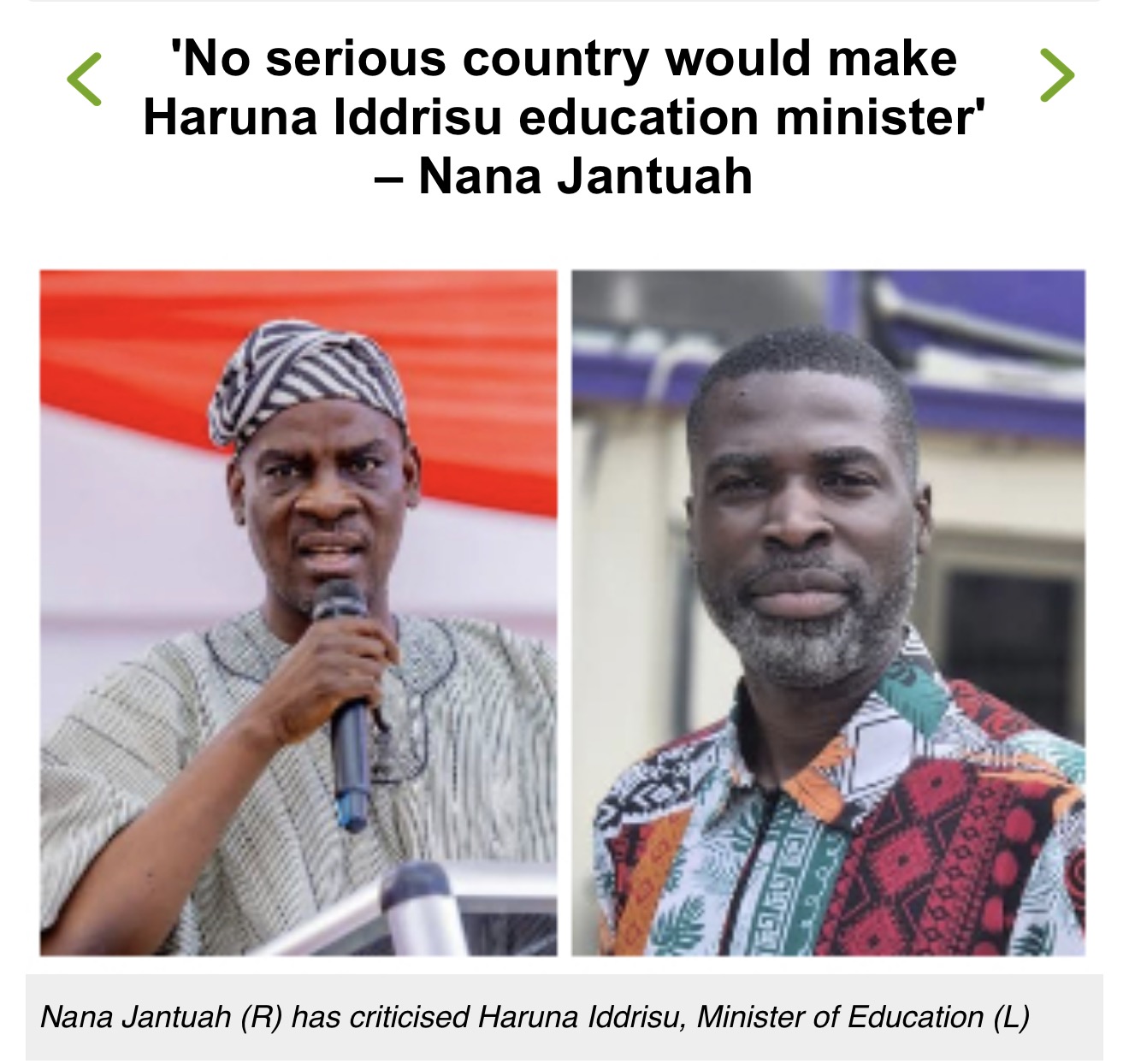
Mr Nana Jantua is entitled to question the appointment of the Education Minister and to demand the highest standards of academic integrity from someone occupying such an important office.
But the national conversation should not end with the question of whether Haruna Iddrisu is a trained educationist.
Ghana's own history demonstrates that the Education Ministry has been entrusted to people from different professional backgrounds. Betty Mould-Iddrisu's legal background and Yaw Osafo-Maafo's engineering and financial background illustrate this diversity.
More importantly, Dr Yaw Osei Adutwum's professional education credentials did not automatically insulate his administration from challenges involving textbooks, school placement, infrastructure and the double-track system.
The current Minister must therefore be subjected to the same rigorous scrutiny.
Haruna Iddrisu should not be judged favourably simply because he is a politician with considerable parliamentary experience, just as he should not be judged incapable simply because of his professional background or historical academic controversy.
The ultimate question is whether Ghana's children are receiving better education, whether schools are adequately resourced, whether teachers are properly supported and whether public investments are producing measurable results.
That is the standard against which every Education Minister, past and present, must be assessed.
The debate must move beyond personalities and professional titles to evidence, accountability and the future of Ghanaian education.
Author: Robicon Mornahson



0 Comments